Scheduling issues often show up as lost time rather than obvious errors. Missed meetings, delayed responses, and calendar confusion usually point to gaps in how scheduling is handled. A reliable meeting scheduling tool should remove these friction points.
Calendar Integration
A dependable online meeting scheduler should integrate directly with existing calendars such as Google Calendar or Outlook. Two-way sync ensures availability stays accurate and prevents double-booking, which becomes especially important when schedules change frequently.
Automated Reminders
No-shows often happen because reminders are manual or inconsistent. A built-in reminder system helps participants remember meetings without extra follow-ups. For teams using a free online meeting scheduler, automated email or SMS reminders can significantly reduce missed appointments.
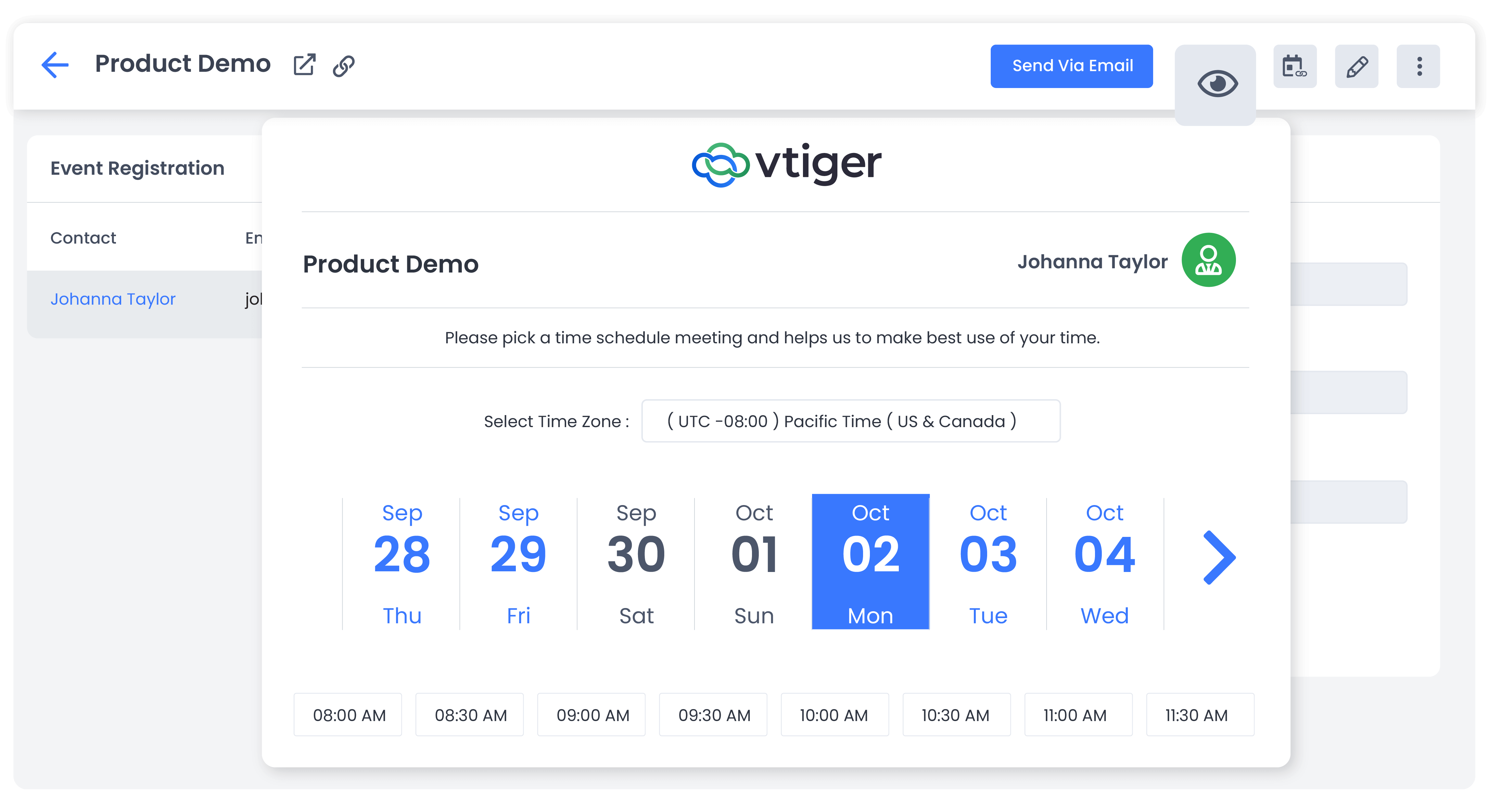
Time Zone Detection
When meetings involve participants in different locations, time zone confusion can slow coordination. Automatic time zone detection adjusts available slots for each participant, removing the need for manual conversions and clarifications.
Custom Booking Links
A free meeting scheduler should allow you to share a single booking link instead of exchanging multiple messages. This lets invitees choose a suitable time based on real time availability, keeping conversations moving without delays.
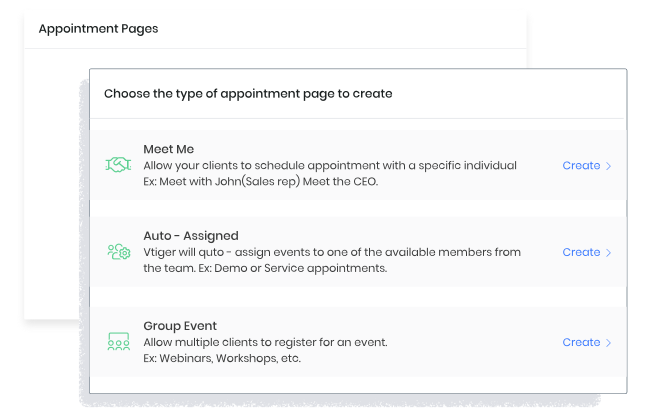
Multiple Meeting Types
Different conversations require different durations. A practical meeting scheduler should support multiple meeting types, such as short check-ins, discovery calls, or longer demos, so expectations are clear before the meeting begins.
Team Scheduling
For teams, scheduling goes beyond individual calendars. A scheduler should support shared availability and routing across multiple team members. This is especially useful when coordinating group calls, support sessions, or a conference room scheduler setup.
Space and Room Scheduling
Some teams also need to manage physical spaces. A scheduler that doubles as a meeting room scheduler helps avoid conflicts when booking conference rooms or shared meeting areas, keeping both people and spaces aligned.