Pharma CRM Checklist
When choosing a CRM for the pharmaceutical industry, it's essential to look for specific features that act more than just a typical sales tool. A great Pharma CRM should serve as a comprehensive platform for managing all your business relationships and data. Here is a checklist of key features to look for:
- Customization and Flexibility: The system should be adaptable to the unique workflows of the pharma industry, allowing you to customize forms, fields, and reports.
- Data Security: Given the sensitive nature of health information, the CRM must have robust data security measures to protect confidential patient and professional data.
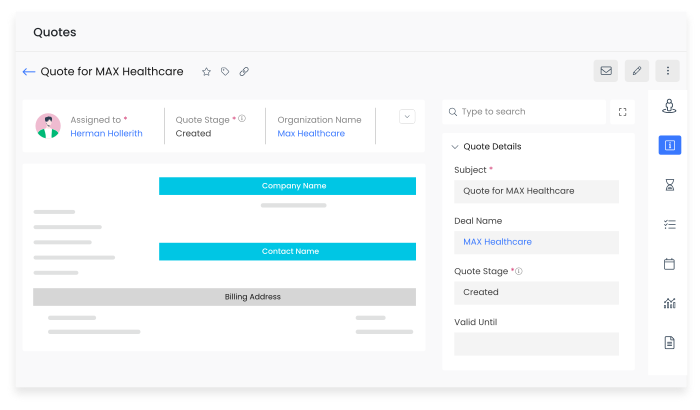
- Client Management: Seek a system that efficiently manages comprehensive client profiles, including a detailed history of all interactions and communications.
- Automated Responses: The ability to automate responses for common inquiries saves time and ensures consistent, timely communication with both healthcare providers and patients.
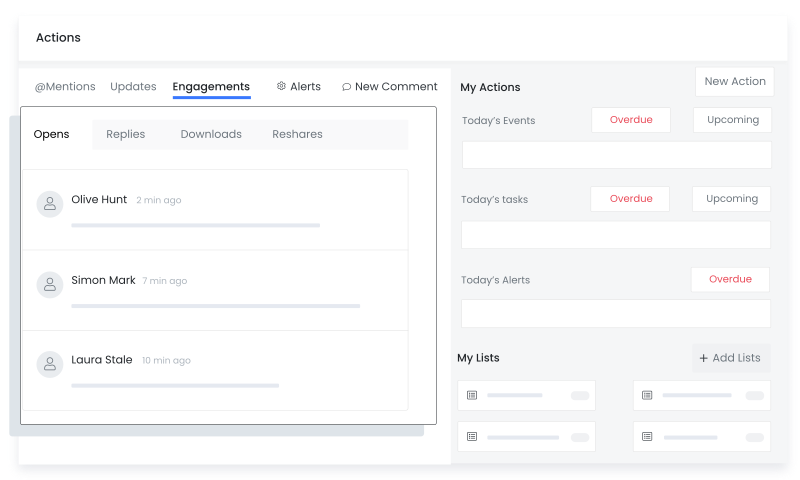
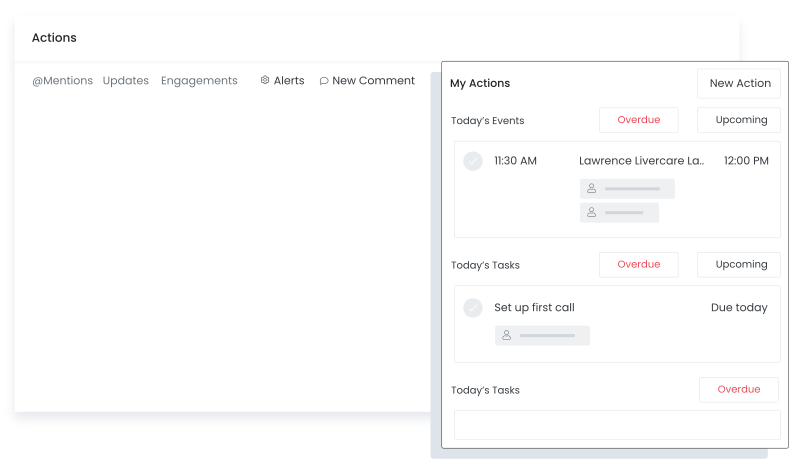
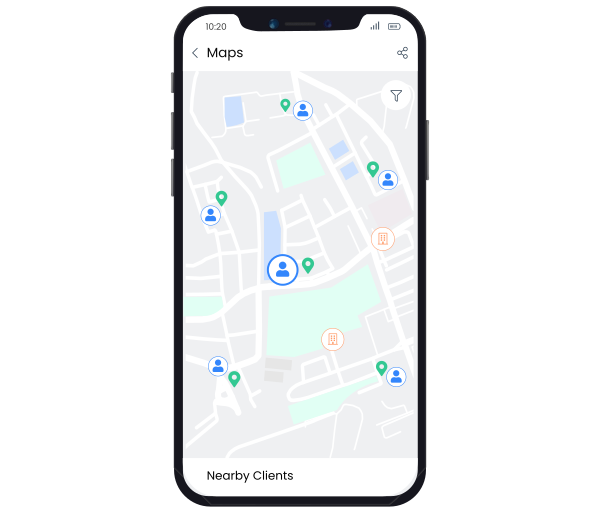
- Field Management: The CRM should support field representatives with features like lead scheduling, appointment reminders, and a clear record of all field activities.
- Communication Tools: It should offer integrated communication tools, such as email marketing, bulk texting, and call center capabilities, to enable seamless outreach.
- User-friendly Interface: A simple, intuitive design ensures your team actually uses the system, which is crucial for maximizing its benefits.
- Cost: Consider the total cost of ownership, including subscription fees, implementation costs, and any potential for additional user-based charges.
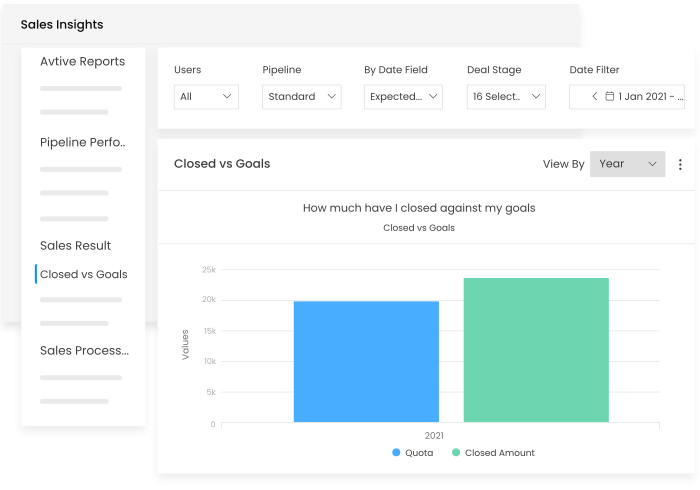
- Reporting and Analytics: A good CRM provides custom reports that transform complex data into actionable insights, enabling you to analyze sales trends, market effectiveness, and compliance.
How to choose the right pharma CRM
Choosing the right Pharma CRM is a straightforward process focused on industry requirements and business fit. Based on the provided reference, here are the key, basic steps to follow:
How to Choose Pharma CRM Software: The Basics
- Identify Your Goals: Before looking at any software, you must clearly define your specific objectives and key performance indicators (KPIs). This helps you find a CRM that addresses your actual business needs, rather than paying for unnecessary features.
- Ensure Compliance and Regulatory Fit: This is non-negotiable in the pharmaceutical industry. The CRM must have built-in compliance management features that meet industry standards and regulations like HIPAA and the Sunshine Act.
- Check Ease of Integration: Look for a CRM that can seamlessly integrate with your current IT environment, including existing systems, data sources, and technology stack. This is vital for smooth data movement and migration.
- Evaluate Customization Options: The software needs to adapt to your unique needs. Check if you can build custom reports, automate specific workflows, and add tailored features to streamline your company's processes.
- Prioritize User-Friendliness: Choose a system that is easy to use for everyone on your team. User-friendly tools lead to higher adoption rates and quicker returns on your investment.
- Assess Analytics and Reporting: The CRM must provide robust analytics for tracking customer interactions, sales trends, and market insights. Strong reporting helps you make data-driven decisions.
- Review Vendor Reputation and Support: Evaluate the vendor's expertise in the pharmaceutical sector. Check their reputation, client testimonials, and confirm they offer ongoing support, training, and software updates.
The Future of CRM in the Pharmaceutical Industry
The future of CRM in the pharmaceutical industry is becoming more patient-focused, data-driven, and automated. Instead of being used only by sales teams, CRM platforms are now turning into a central system that connects sales, marketing, medical, and research teams in one place.
Artificial Intelligence (AI) and predictive analytics are shaping the next generation of CRM systems. With AI, companies can access real-time insights, predict market behavior, and deliver more personalized communication to healthcare professionals and patients. The rise of omnichannel engagement will also play a major role, enabling pharma companies to connect with their audiences through multiple platforms such as social media, email, and virtual consultations.
Patient-centricity is another key focus. Future CRM systems will go beyond managing professional relationships to support the entire patient journey. They will use data from multiple sources to improve care, increase patient awareness, and achieve better health outcomes.
As the pharmaceutical sector becomes more decentralized, CRM systems will need to be more adaptable and scalable. They must integrate easily with other digital tools while staying compliant with industry regulations. This shift marks a new era where CRM becomes the backbone of smarter, connected, and more patient-oriented healthcare operations.