Common Sales Process Mistakes -and How to Avoid Them
Sales process mistakes usually don’t come from intent but from unclear execution. When steps are loosely defined or inconsistently followed, deals slow down, leads drop off, and revenue becomes unpredictable. Understanding how these mistakes occur and fixing them at the process level helps sales teams regain control, improve flow, and close deals more consistently.
1. No Clear Sales Stages
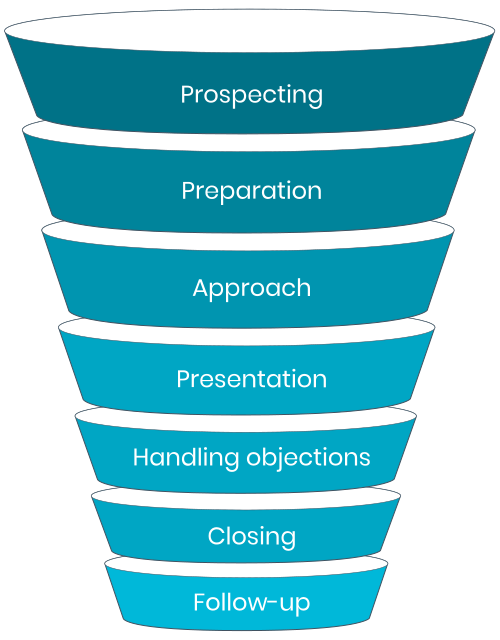
This happens when teams sell without defined checkpoints, allowing reps to move deals forward based on personal judgment. As a result, deals stall, follow-ups are missed, and managers lose visibility. Defining clear stages with entry and exit criteria restores order , ensuring every deal progresses logically through the pipeline.
2. Treating Every Lead the Same
When qualification is skipped, sales teams spend time on low-intent leads. This increases cycle time and lowers conversion rates. Introducing lead qualification restores focus by routing serious buyers faster, improving close rates, and keeping the pipeline healthy.
3. Inconsistent Follow-Ups
Follow-ups often fail due to manual tracking or unclear ownership. This leads to cold leads and lost deals. Embedding follow-up tasks into the sales process ensures timely actions, keeping conversations active and deals moving forward.
4. Dependence on Individual Sales Reps
When success relies on top performers, outcomes vary widely. Standardizing sales steps reduces this dependency, allowing new and existing reps to perform consistently and maintain workflow continuity.
5. Limited Visibility into Sales Data
Without tracking deal movement, teams can’t identify where sales break down. Monitoring stage-wise data helps fix bottlenecks early, restoring momentum across the sales cycle.
Sales Process Automation- 5 Ways to Streamline Your Sales Cycle
Sales process automation helps teams reduce manual work, shorten deal cycles, and improve accuracy across every stage of selling.
Automated Lead Capture & Assignment
Automatically capture leads from multiple channels and assign them to the right sales reps based on rules, territory, or workload.
Workflow-Based Deal Movement
Automate stage changes, task creation, and notifications to ensure deals move forward without manual intervention.
Activity & Follow-Up Automation
Set automatic reminders for calls, meetings, and follow-ups so no opportunity is forgotten or delayed.
Quote & Approval Automation
Speed up pricing approvals and quote generation to reduce friction during the closing stage.
Real-Time Sales Tracking
Automation updates deal status instantly, giving managers live visibility into pipeline health and sales performance.
Sales Process Features to Look for in a CRM
A sales CRM should support the entire sales process rather than just meeting halfway at organized data. The right features help sales teams execute consistently, forecast accurately, and improve outcomes at every stage of the funnel.
Key features to evaluate include:
- Lead & Contact Management: Centralized visibility into customer data, interactions, and engagement history.
- Deal & Opportunity Management: Structured tracking of deals across stages with clear ownership and timelines.
- Tasks, Appointments & Calendar Sync: Ensures timely execution of sales activities and meetings.
- Sales Forecasting: Pre-built forecasts to support pipeline planning and revenue predictability.
- Workflow Automation: Eliminates repetitive tasks and enforces process discipline.
- Reports, Dashboards & Insights: Data-driven visibility into conversion rates, bottlenecks, and performance trends.
- Collaboration & Playbooks: Enables team alignment through shared deal rooms, task sequences, and standardized sales actions.
A CRM with strong process-level capabilities allows businesses to scale sales without losing control or visibility.