One of the many things that makes people successful is their ability to be productive. Productivity can take many forms, and in this article, we will discuss a few qualities of a productive person.
What it means to be a productive person
A productive person at work is someone who excels in various areas of their job. They may have one job and be great at it, or they might work a few jobs but still get all of them done without sacrificing quality. What matters most is their ability to maintain a balance between what they want out of work and what others need from them.
Productivity is not about the number of hours that someone works, it is about what they produce in those hours. There are plenty of people who work long days but don’t do anything worthwhile or productive. There are also many more people who put in a reasonable amount of time into their work and manage to accomplish something great.
Let us discuss some of the qualities of a productive person
14 + Key Traits of Highly Productive People
They follow a daily routine
A productive person knows that in order to be successful they need a plan. One of the best ways to do this is to have a daily routine. For example, your daily routine could look like getting up, meditating, going for a run, having breakfast, and getting to work early enough to get yourself settled in before starting the workday.
A routine helps in setting you up for the day with a clear mind so that you can be your most productive throughout.
They prioritize their tasks
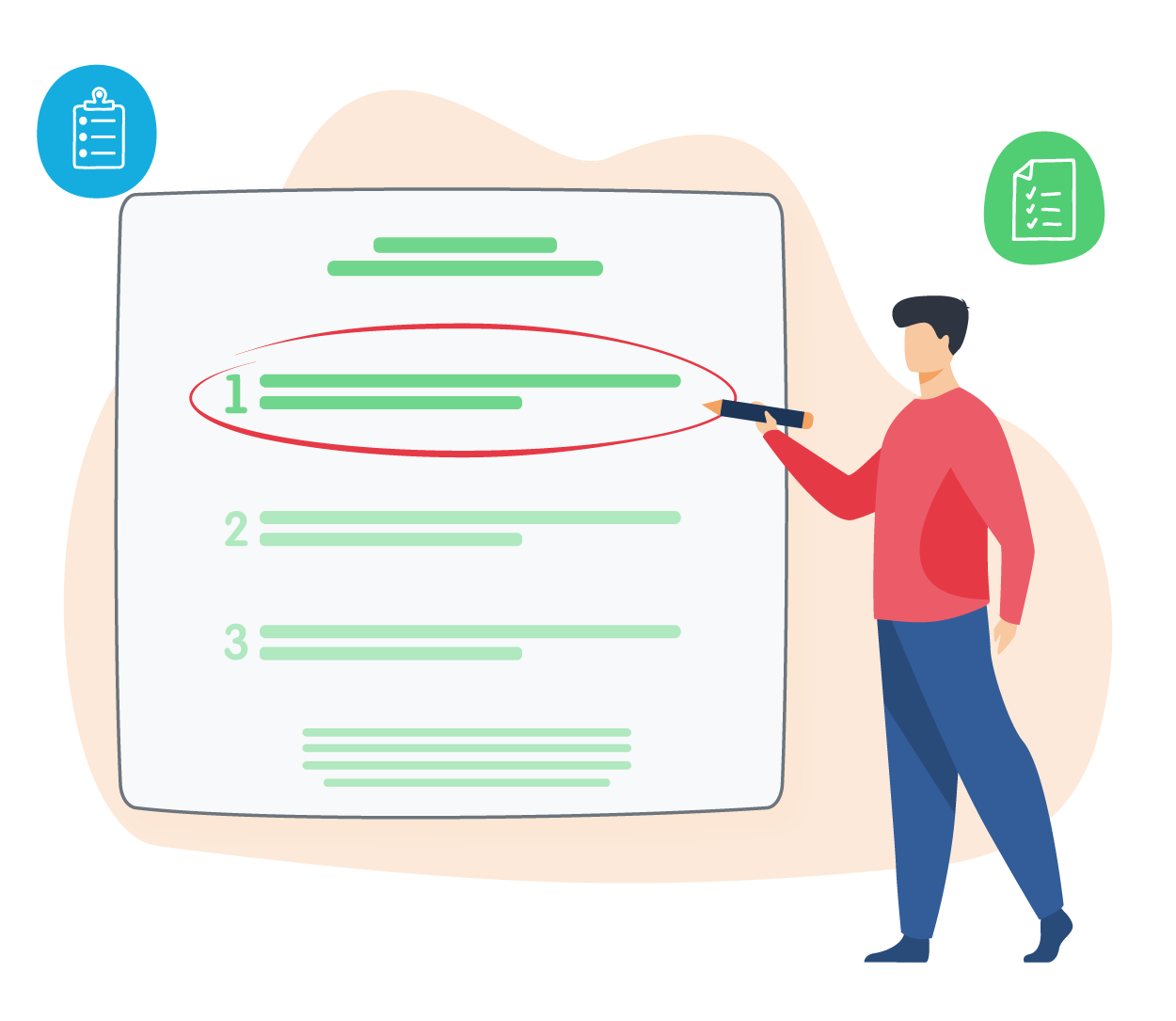
A productive person prioritizes their tasks. They can determine what task needs their attention first and then move on from there in the order of importance.
Prioritizing allows them a lot more time for doing things that require immediate attention instead of spending hours jumping around from one project to another. It feels less daunting when you are completing one task at a time.
They set boundaries for themselves and others
They know when to say no, how much time they need for themselves each day, and what activities are important enough to pursue at the expense of others.
Boundaries allow them to separate work and personal life. They feel more balanced and less likely to get burnt out.
They do not procrastinate
There are many reasons why people procrastinate, but one of the most common is the fear of failing.
A productive person knows what they have to get done, and does it without putting anything else off. They know that if they don’t do the tasks in front of them now, the tasks will just pile up. And when their schedule is too full, they are overwhelmed to do anything. To avoid this, they may work on the tasks they find least enjoyable first so that it only gets easier from there.
They know how to manage time efficiently

Productive people have a good understanding of how long tasks and errands take to complete. They’re able to keep realistic expectations in terms of what they can get done in a day.
To ensure a productive day, they may start the day by doing a time block exercise.
For example, list everything you want to do and schedule it into your day in time blocks. Planners, Google Calendar, and other project management tools can help with getting you organized.
They have a strong work ethic
A productive person has a strong work ethic and is willing to do what it takes to get the job done. They are not lazy and nor do they let things fall through the cracks. They take responsibility for their actions and even pick up any slack from others if needed.
They have a strong sense of commitment to their work as it helps them feel fulfilled.
They maintain a positive outlook on life
Even when things go wrong or don’t go according to plan, they are positive. They understand that difficulties and setbacks are inevitable. It’s how you respond to these situations that matter the most. When things don’t go as planned, they ask themselves, what can I learn from this?
They balance relaxation with productivity

A productive person can switch gears and take a break when they need it. They know the importance of balance, so they don’t feel guilty about making time for themselves.
It can be a few breaks to stretch or just chatting with coworkers throughout the day or giving yourself a full weekend day of self-care. The key is to be able to get back into production mode afterward!
They are proactive rather than reactive
This means they take control of the situation instead of waiting for someone else to fix it. They anticipate problems, and things that could go wrong, and have systems in place to deal with them.
Productivity Statistics

People who are self-motivated will be productive because they want to do well within a job, and will be able to cultivate skills learned to help further their career. They will work harder to deliver better outputs and be flexible when challenges arise to find a way to mitigate them. These employees are highly valuable assets, as they align themselves with leadership skills to be able to advance in a company.
They say no when needed
Knowing when to delegate and when to say no is central to what is productivity in a person. Productive individuals protect their time by assigning tasks based on ownership and capability. They decline work that does not align with goals or responsibilities. Delegation is not avoidance; it is a way to ensure the right work is handled by the right people, without overload or unnecessary delays.
They can focus without getting distracted
The ability to focus separates output-driven professionals from busy ones. What is a productive person becomes clear when attention stays on one task long enough to complete it well. Distraction breaks momentum and increases rework. Productive people create conditions for focused work by reducing interruptions, batching communication, and committing to completing tasks rather than constantly switching between them.
They can save their energy when it is required
Energy management supports sustainable productivity. Productive people recognize limits and plan work around peak focus periods. Breaks, rest, and pacing prevent burnout and maintain quality output. Managing energy ensures that work remains effective across the day, not just busy. Productivity improves when effort is distributed wisely rather than forced through long, unfocused hours.
They are organized and structured
Organization creates clarity. Productive individuals maintain structured task lists, clear workflows, and accessible information. This structure reduces time spent searching, rechecking, or correcting mistakes. Among the core qualities of productive people, organization ensures that work progresses smoothly without friction. When structure exists, decisions happen faster and execution becomes more predictable.
They believe in continuous improvement
Continuous improvement keeps productivity from plateauing. Productive people review outcomes, identify gaps, and refine how work gets done. They adjust habits, tools, and processes based on results. Small improvements over time compound into better efficiency and quality. Productivity grows not from perfection, but from regularly learning what works and applying it consistently.
Common Pitfalls Productive People Avoid Doing
Productive people are not productive by chance. They actively avoid behaviors that reduce focus, slow execution, or create unnecessary friction. These pitfalls often look small in isolation, but over time they compound into missed deadlines, mental fatigue, and inconsistent output.
Poor Task and Time Management
Productive people avoid starting work without structure. They do not delay difficult tasks, split attention across multiple activities, or react to every notification. Tasks are written down, prioritized, and planned in advance. This prevents overload, reduces mental clutter, and keeps attention focused on completing work instead of remembering or reshuffling it.
Inefficient Habits and Workflows
Unproductive habits often hide inside daily routines. Productive people avoid perfectionism, unnecessary meetings, and doing everything themselves. They simplify workflows, delegate work where possible, and keep their physical and digital spaces organized. This allows work to move forward without repeated interruptions or bottlenecks caused by avoidable inefficiencies.
Mindset and Behavioral Traps
Productive people manage their mindset as carefully as their tasks. They avoid overcommitting, blaming others, or pushing themselves without rest. Breaks are planned, responsibilities are owned, and challenges are approached with a solution-first attitude. This balance helps sustain focus, motivation, and output over long periods.
Strategic Errors
At a strategic level, productive people avoid working without feedback or flexibility. They track meaningful results, not just activity volume. Time estimates account for uncertainty, and methods change when results do not improve. By planning for variation and reviewing outcomes, they prevent small miscalculations from turning into major delays.
Frequently Asked Questions (FAQs)
What are the key qualities of productive people?
Productive people share qualities that support consistent execution. These include clear prioritization, disciplined time management, focus on task completion, and the ability to manage energy. They plan work in advance, avoid unnecessary distractions, and take ownership of outcomes. Strong self-awareness and adaptability also help them maintain their output without burning out.
How do productive people manage their time effectively?
Productive people manage time by planning tasks, setting realistic goals, and allocating time based on priority. They avoid multitasking and work on one task at a time. Schedules are used as guides, not constraints, allowing room for adjustments. This approach reduces delays and keeps work aligned with expected outcomes.
Can productivity be learned or improved over time?
Yes, productivity can be learned and improved through consistent habits and reflection. People become more productive by identifying inefficiencies, adjusting routines, and refining how they work. Small changes in planning, focus, and follow-through often lead to measurable improvements. Productivity grows through practice, not personality traits.
What habits do highly productive people follow daily?
Highly productive people follow habits that support clarity and execution. These include planning the day ahead, prioritizing tasks, limiting distractions, and reviewing progress. They take regular breaks to maintain energy and end the day by preparing for the next. These habits help maintain steady output over time.
How does mindset affect a person’s productivity?
Mindset directly influences how people respond to challenges. A productive mindset focuses on solutions, learning, and progress rather than perfection. This helps individuals recover quickly from setbacks and stay engaged with their work. Positive self-talk and accountability support sustained effort and better decision-making.
What common mistakes reduce productivity?
Common productivity mistakes include poor planning, multitasking, procrastination, and overcommitting. Ignoring rest and reacting to constant interruptions also reduce output. These behaviors create mental fatigue and slow execution. Avoiding them helps maintain focus, consistency, and quality in daily work.